

Portable Restrooms · ADA · Central Valley
A wide, ground-level portable restroom with grab rails and a non-slip floor. No steps, no lip at the door, and enough room inside for a wheelchair or for somebody helping. It goes anywhere a standard unit goes, off our yards in Lemoore, Modesto and Bakersfield. Where single-user portable toilets are clustered at a site, including temporary events, at least 5% of each cluster must be accessible, and the compliant units carry the International Symbol of Accessibility (2010 ADA Standards, 213.2 Exception 3). Units placed for construction crews on a jobsite are exempt (203.2).
The Unit
Wide, ground level, no step at the door. Every photo here is one of our own units.
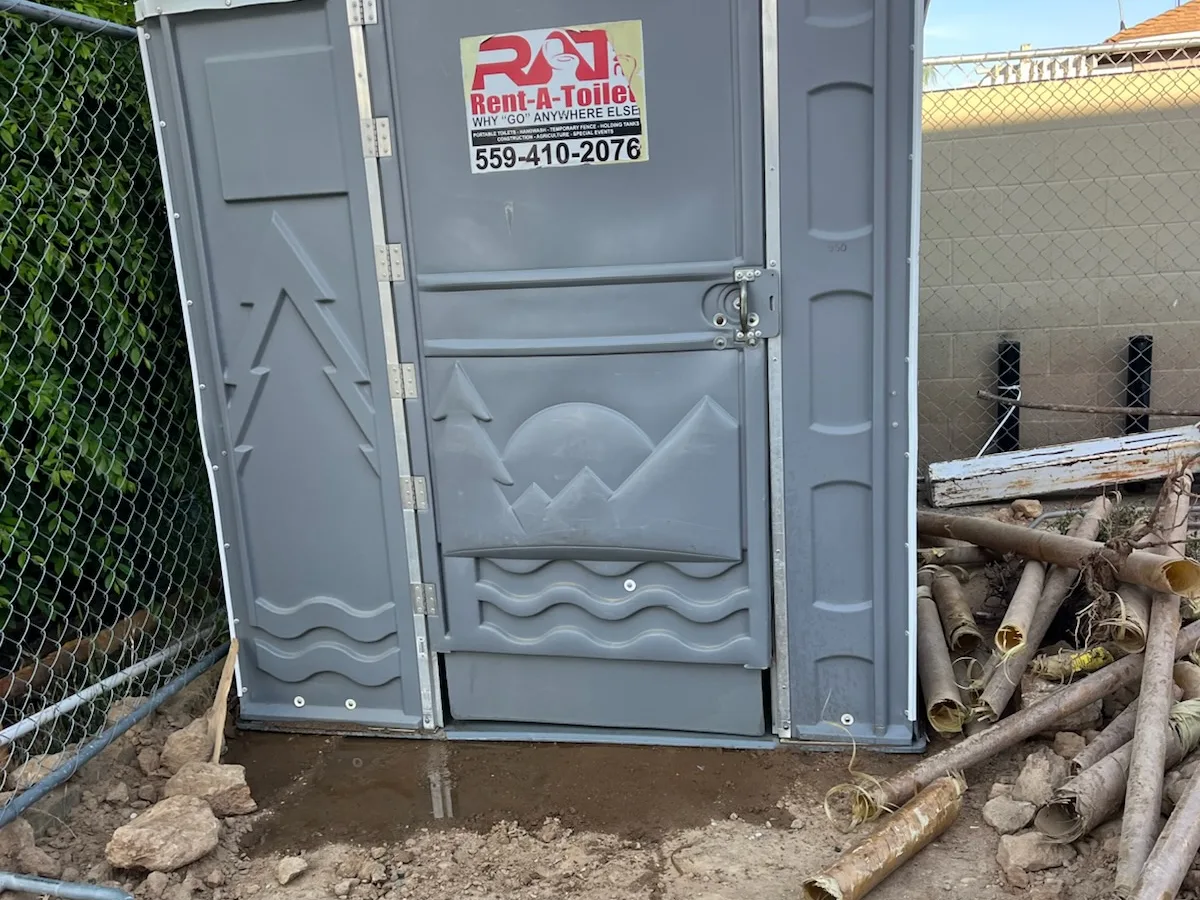
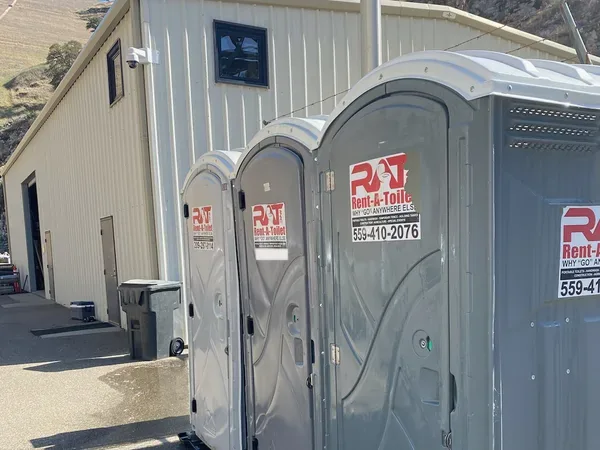
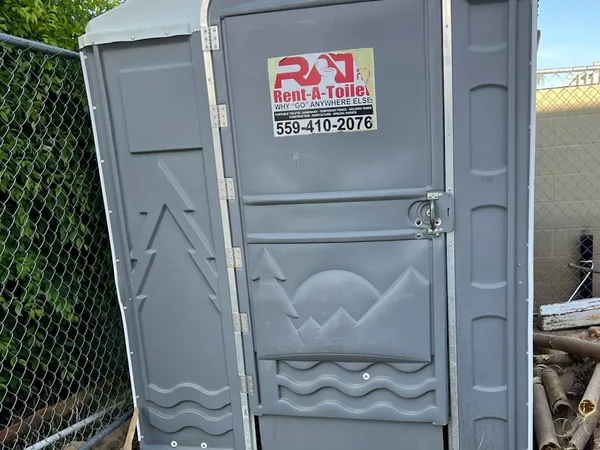
| Entry | Ground level, no step |
|---|---|
| Door | Wide, with an in-use indicator |
| Floor | Non-slip, no threshold |
| Support | Grab rails |
The Unit
The whole design is about the two feet at the door. Everything else follows from there.
No steps, no lip
Room to turn
Level matters more here
Who Rents It
Two customers, and they find out they need one at very different points.
An accessibility line in the permit.
One accessible unit set on the same level ground as the others, near the same path, not parked around the back where nobody can find it.
A requirement or a specific worker.
Goes out on the same weekly route as the standard units. No separate arrangement and no separate schedule.
An older guest, or somebody who cannot manage a step.
One ADA unit alongside standard ones is usually the whole answer, and it costs a lot less than solving it with a trailer.
If the event is public and you are not sure what the permit asks for, call the office. Faster than reading the code.
ADA units ride every route we run: Lemoore and Hanford, Fresno and Visalia, Merced, Planada, and Atwater, up to Modesto and Stockton, and down to Bakersfield.
The Fine Print, Up Front
No accessibility surcharge, no separate schedule, and no second truck. It rides the route with everything else.
Delivery, setup, initial stocking · toilet paper and hand sanitizer · scheduled servicing on long rentals, and final pickup.
Book at least a week out where you can. For big events or multi-unit orders, several weeks ahead · the calendar fills.
Event rentals are serviced around the event. Long-term rentals ride a weekly route, with extra days where headcount demands it.
Units need a flat, stable spot the truck can reach. We work the placement with you before delivery, not after.
Tell us the date, the site and whether the event is public. We will tell you what to set and where.
Straight Answers
Every question below is one a real person asked in public. We do not invent them.
The ADA unit is the widest thing we run on the ground, which is why people ask about it for this reason as often as for a wheelchair. It has a wider floor, a wider door and grab rails that are there to be leaned on. Call the yard, tell them what you need it for, and they will read you the rating off the unit going to your job.
Count it as one unit toward your total, and then check whether your event has an accessibility requirement on top of that, because a public event usually does and the requirement is normally about having at least one rather than a ratio. For the overall count, the number that matters is how many people are on site at once and for how long. The unit calculator gets you close, and the office will sanity-check it against the event on the call.
Nearby
Accessible does not have to mean expensive. Here is the range on both sides of it.
The rest of the ground-level fleet, off the same yards.
An accessible station inside a plumbed trailer, for a formal event.
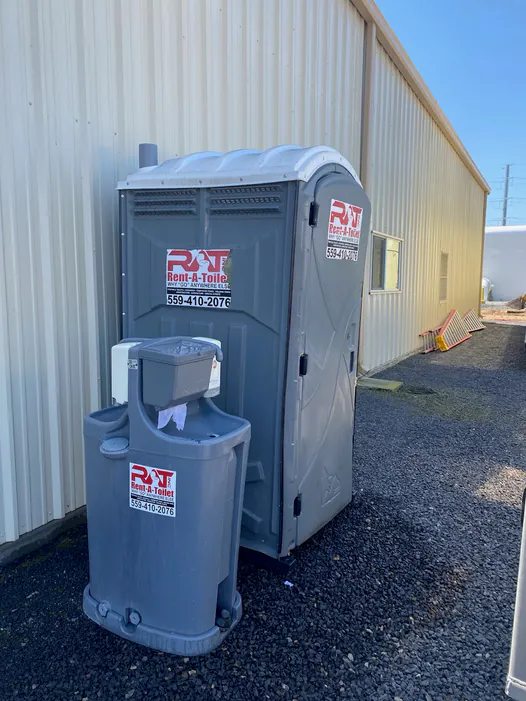
A freestanding sink to set beside it. Pairs with any unit count.
Gets you close on the count before you call.
Accessibility comes up most on community events and municipal work, where it is usually a condition of the permit. A sanitizer stand at the door is the cheapest thing you can add to one. The full rental list shows what else pairs with it.