

Festivals & Concerts
A multi-day event is not a bigger version of a one-day event. The thing that decides whether it works is whether somebody comes back and services the units while people are still using them.
What Changes At Scale
Drop enough units and walk away and by the second afternoon of a three-day event you have a problem that no amount of extra units fixes. What actually works is a route that comes back through during the event, on a schedule agreed before the gates open.
The second thing that decides the job is what the site has. A field with no power and no water prices differently from a fairground with both, and the difference is large enough that it is worth settling on the first call rather than the week of.
For artist, VIP and staff areas the usual picks are the 6-station restroom trailer and the 9-station restroom trailer. You can also add temporary fencing or see the whole trailer lineup.
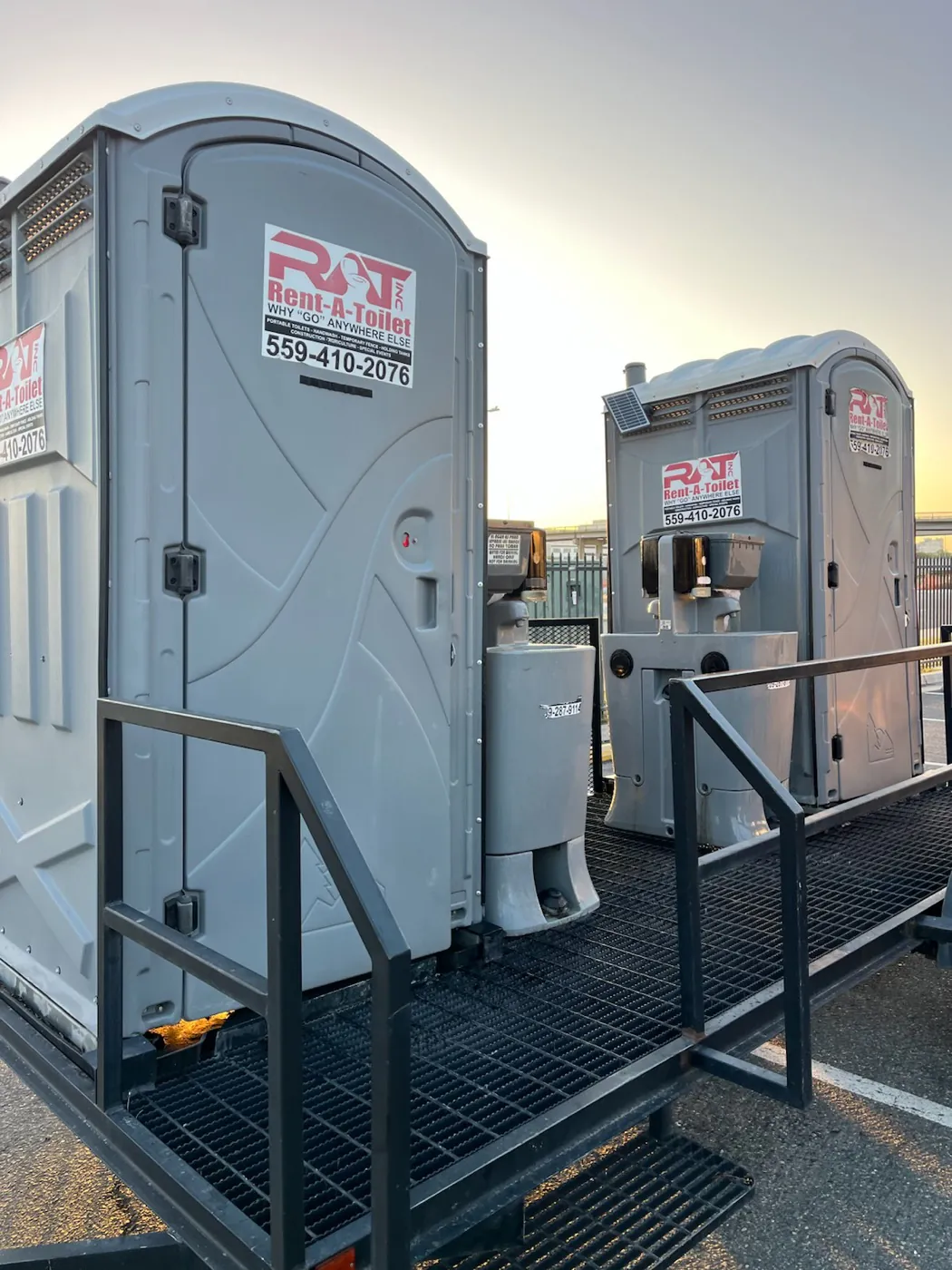 Units and hand-wash staged for an evening crowd
Straight Answers
Peak headcount, hours, and whether alcohol and food are being served. Peak is the number that matters, not the gate total, because people do not all arrive at once. Run your numbers on the calculator and then call, because at festival scale the placement and the service schedule change the answer as much as the count does.
It changes the equipment and it changes the price, so tell us on the first call. Standard units need neither. Hand-wash stations carry their own water and we refill them on the route. Restroom trailers need power and water, which on a bare field means a generator and a supply.
For a public event on public ground, generally yes, and it comes from the city or the county rather than from us. Fairgrounds usually have their own rules on top. Tell us the exact site and what it sits on and we will point you at the right office.
No. Units are emptied, cleaned and stocked before they leave the yard, and that does not change because the event is large. If a unit takes damage during a multi-day run, tell the servicing crew and it gets dealt with on the next pass rather than at the end.
Ground condition decides it. A service truck that cannot reach a bank of units in the wet is the failure mode, not the units themselves. We walk the placement with you and pick spots that stay reachable, and on a multi-day event that is worth doing before the first day rather than during the second.
Ordering more does bring the per-unit number down, and the reason is mechanical rather than generous: delivery and pickup are two truck trips whether you take two units or twenty, so the mobilization spreads. The same is true of days. A multi-day rental is cheaper per day than a one-day rental, and most people do not know that before they ask.
The Perimeter
On a ticketed event the line the crowd cannot cross and the bank they queue at are one placement problem, not two. Working them out together is what stops a run of units ending up on the wrong side of the barrier, which is the mistake that costs an organiser a whole day of complaints.
Chain-link runs, freestanding panels and privacy screen all come from the same yards on the same delivery, so it is one order, one contact and one number back rather than two vendors blaming each other on the morning.
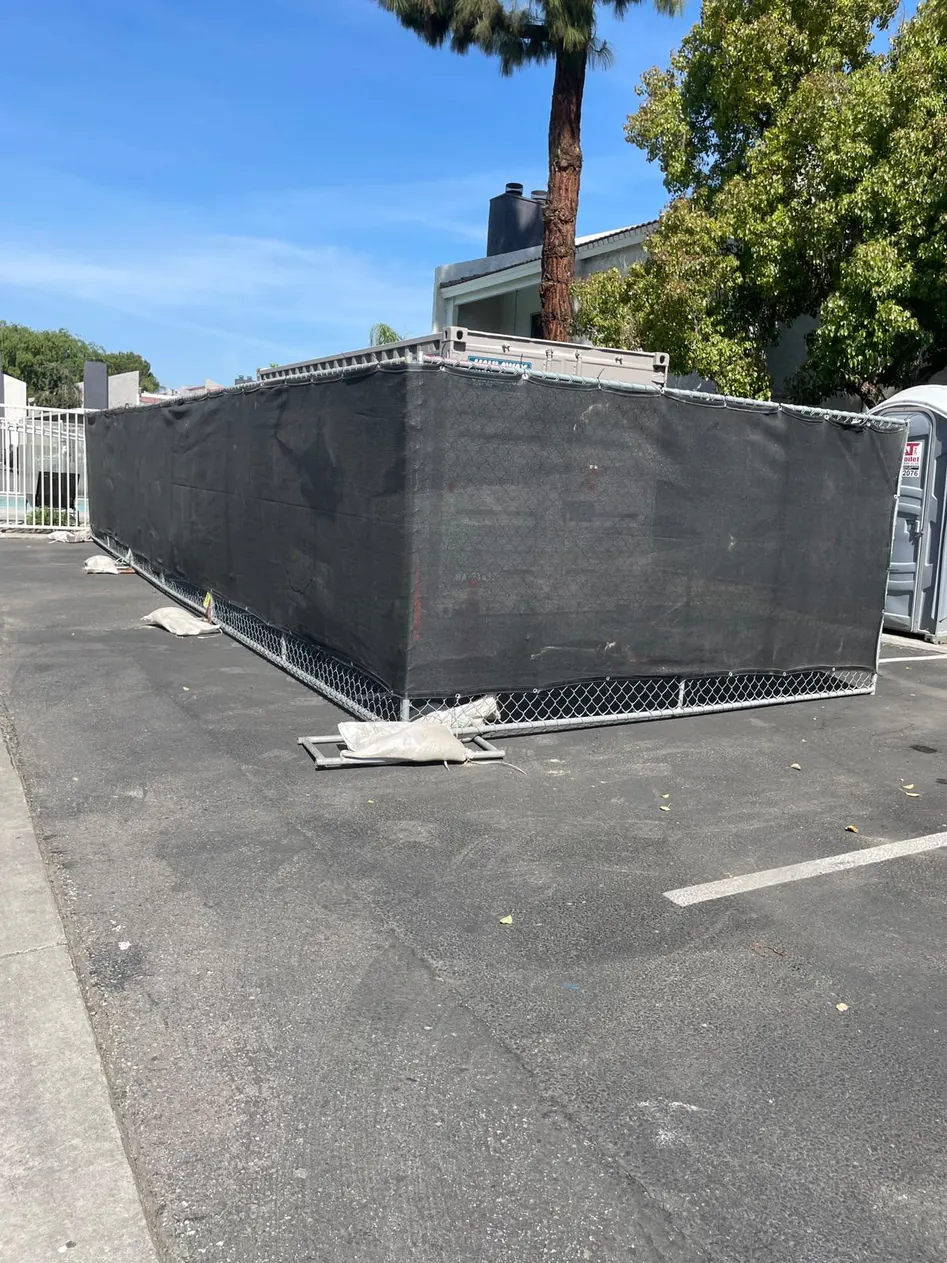 Screened perimeter run · Hanford
Coverage
Three yards, eight counties, one lane each. Here are the eight counties by name.
Related Lanes
Not every outdoor event needs a festival-scale bank and a mid-event route, and a city-run fair is a different order again. If yours is nearer one of these, start there instead.
Tournament weekends where the permanent block is the bottleneck.
Church events, charity runs and block parties, usually a first-time order.
Right-of-way crews, park programs and public events, with paperwork procurement will accept.
Restrooms, hand-wash, trailers and fencing, on one ticket from one yard.