

Portable Restrooms · Jobsites, Ag, Food Events
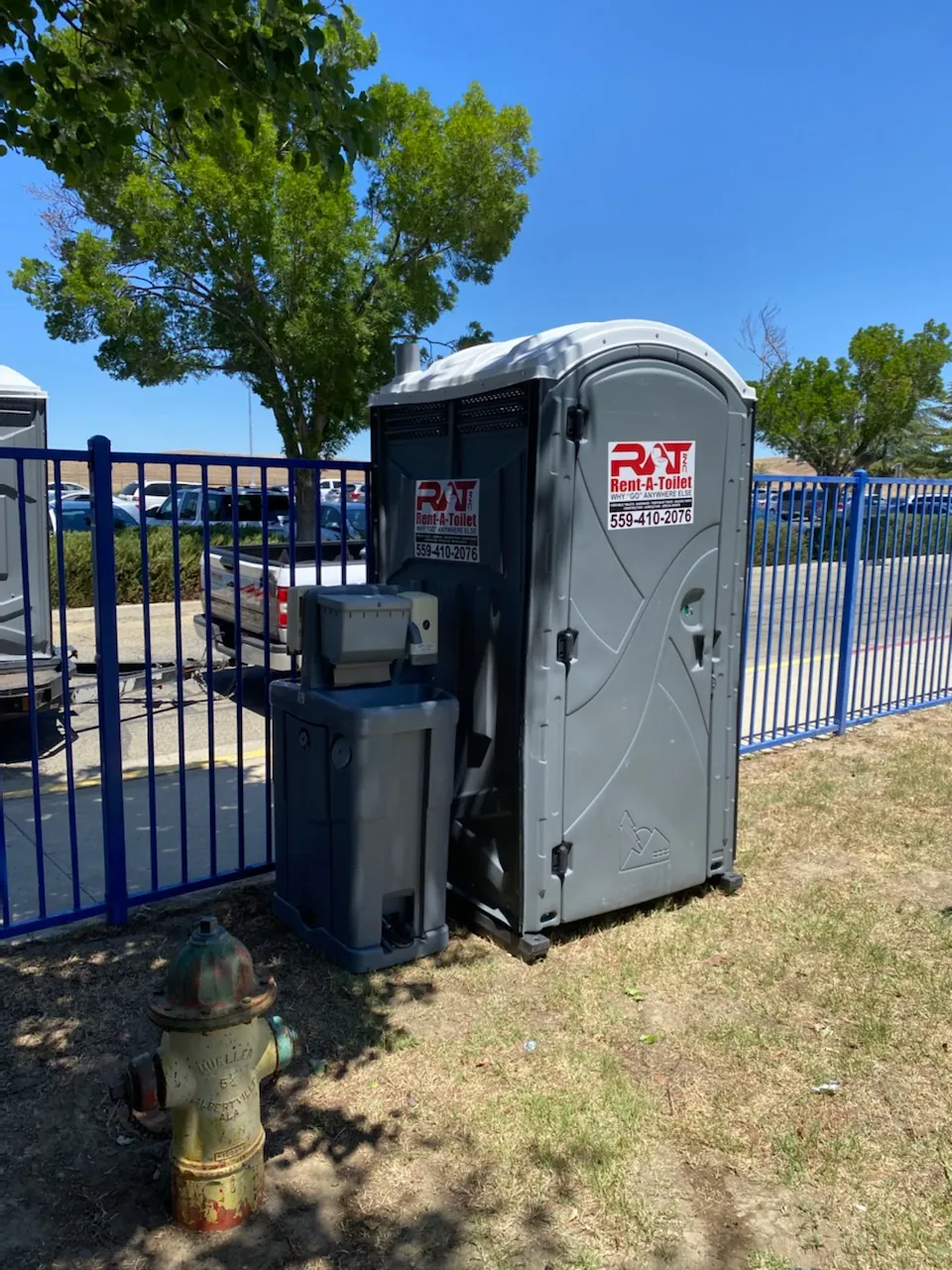
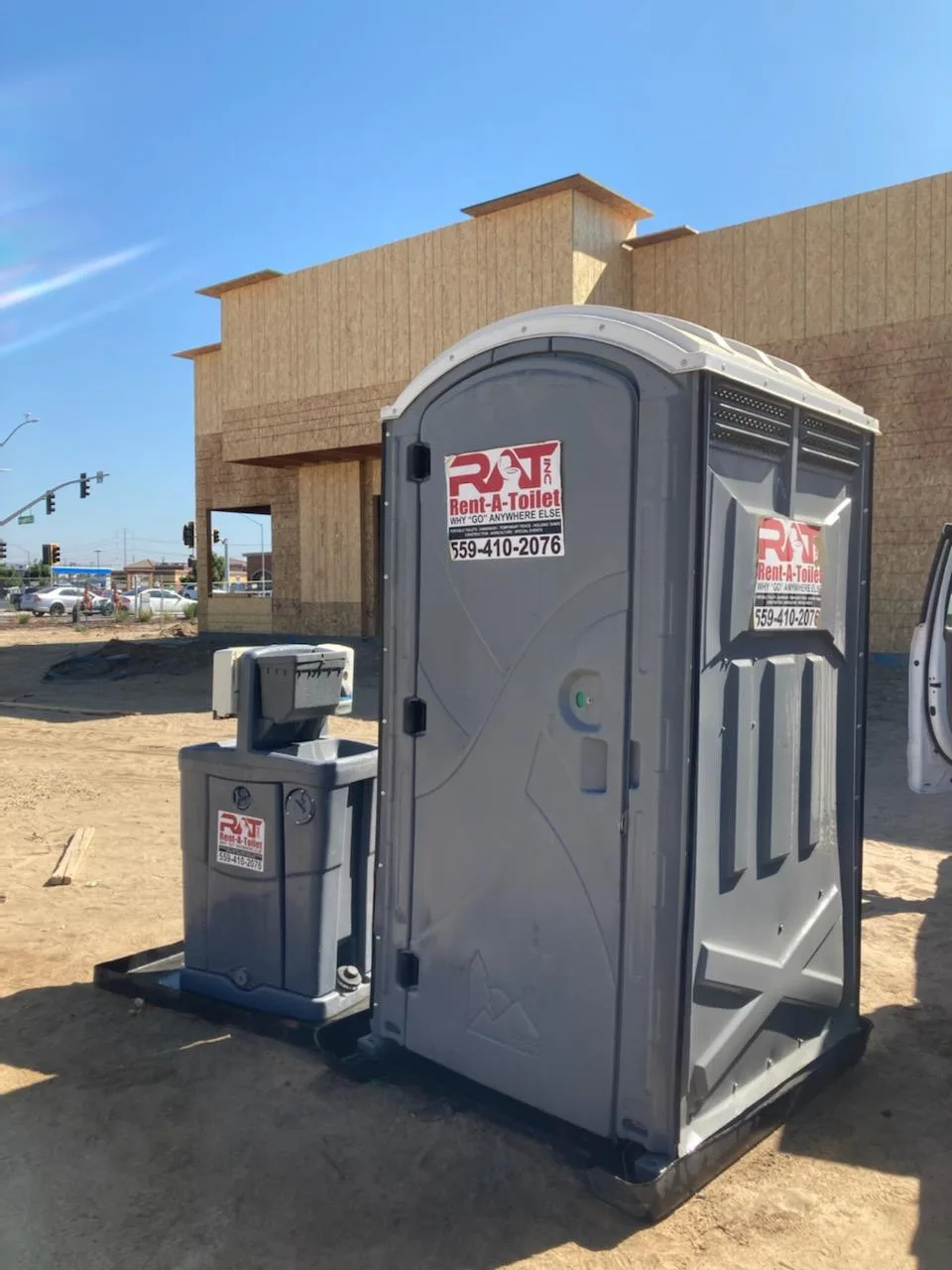
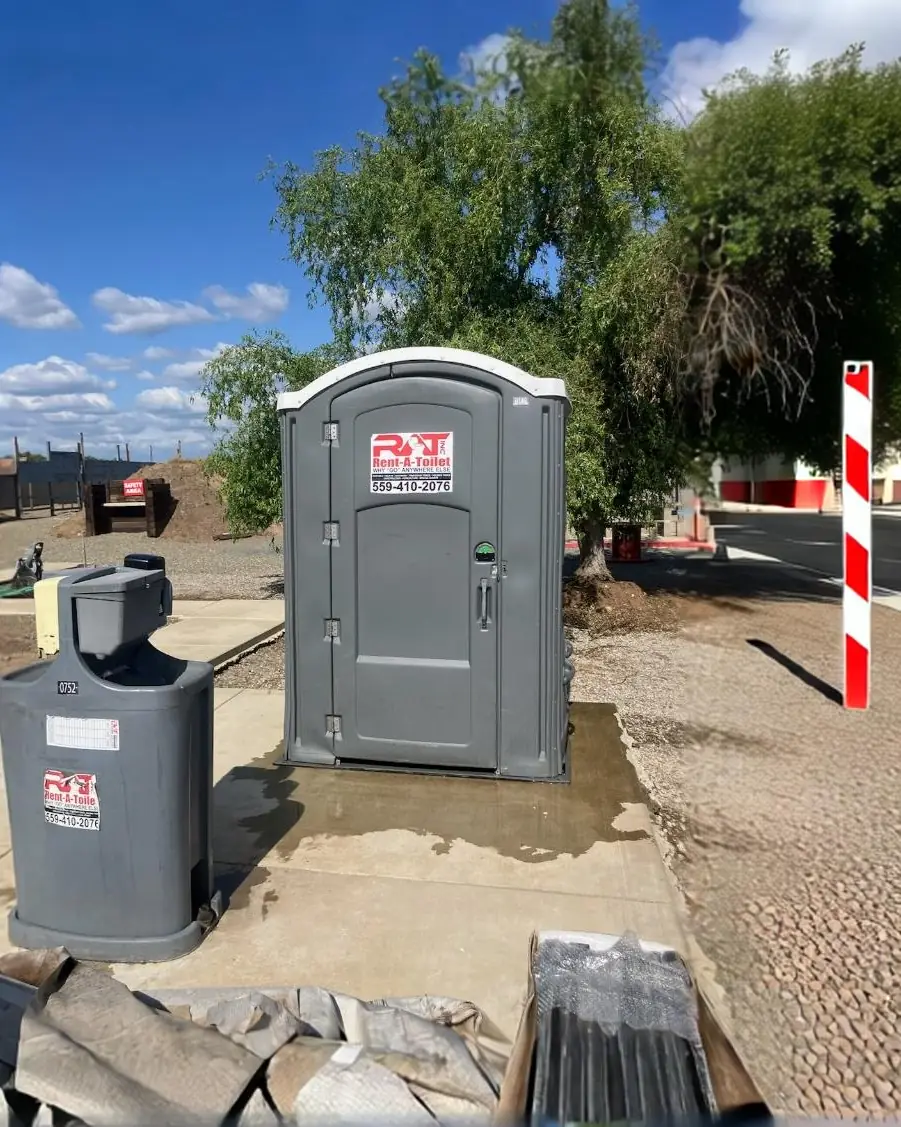
A freestanding sink with its own fresh-water tank, soap and paper towels. No plumbing, no hookup. It sets beside any unit count and it is the piece that turns a row of restrooms into somewhere people will actually eat lunch. Off our yards in Lemoore, Modesto and Bakersfield.
The Unit
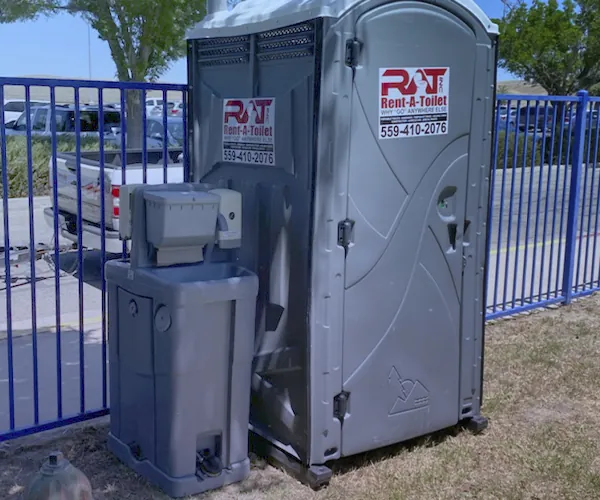
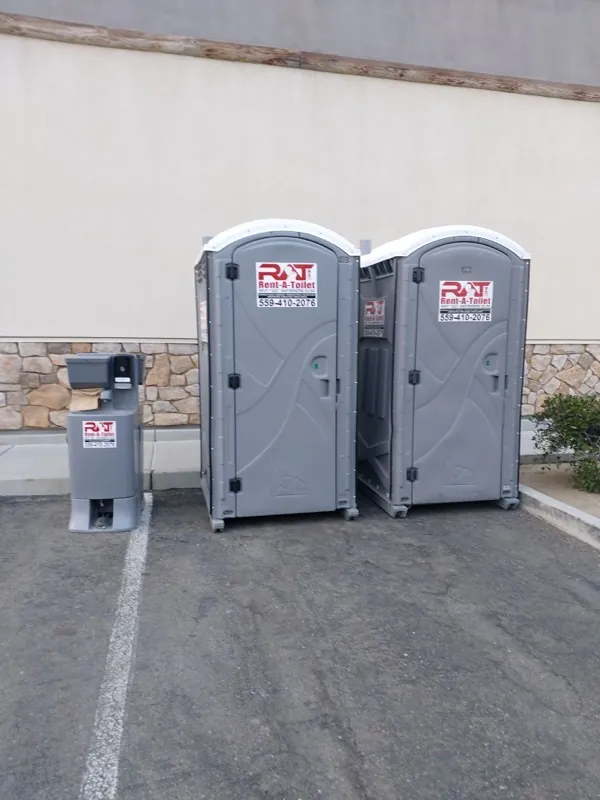
A sink with its own water, no plumbing. Every photo here is one of our own units.
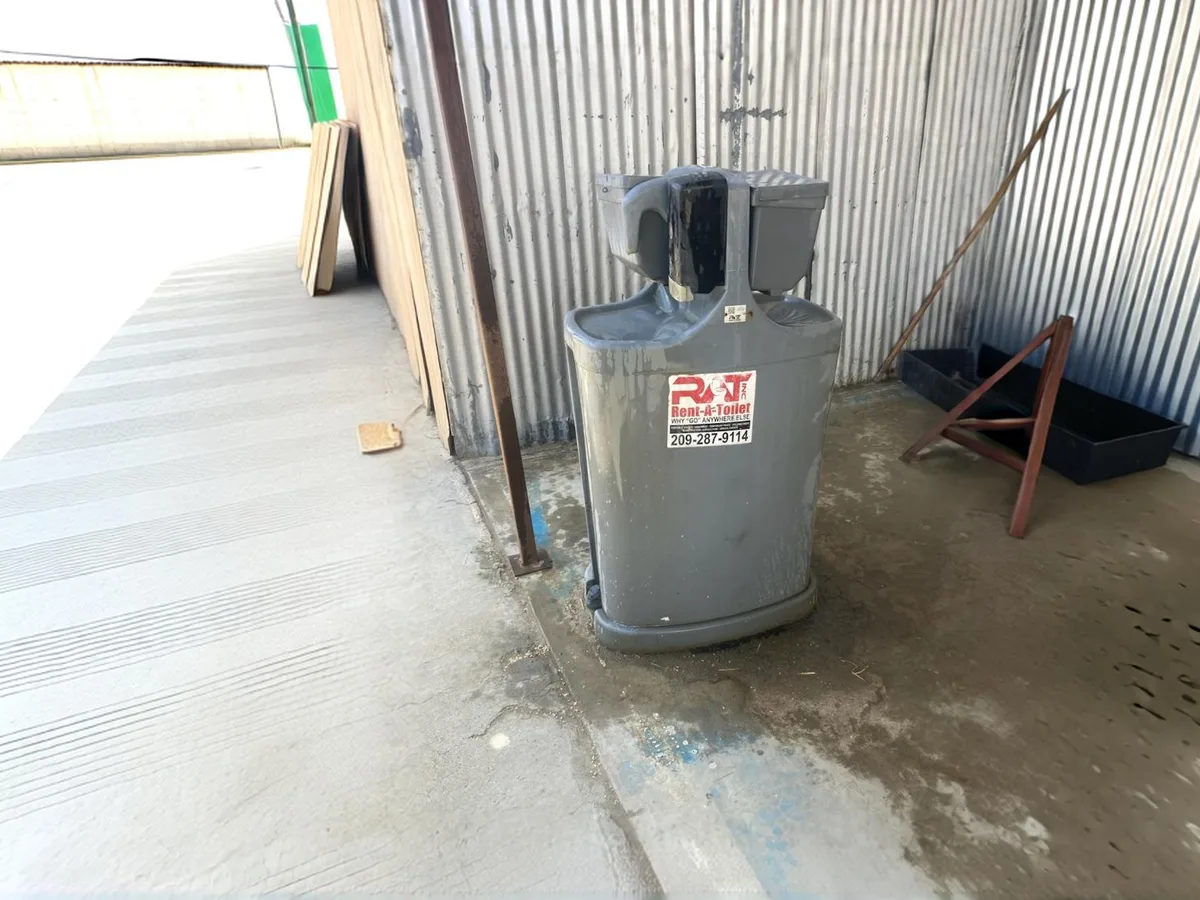
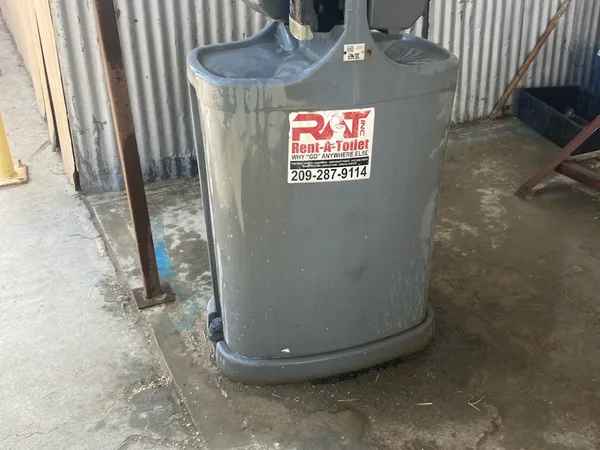
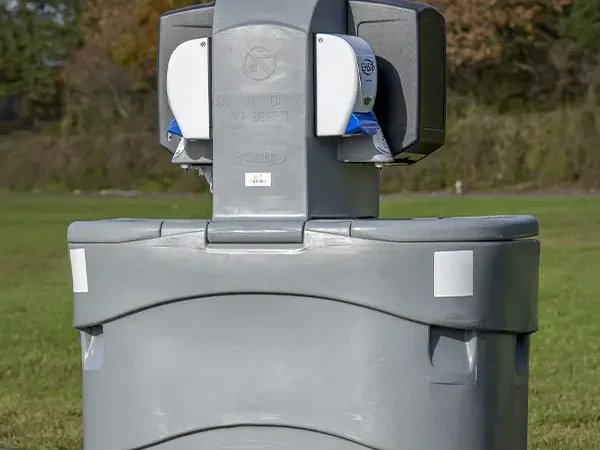
| Water | Fresh-water tank on board |
|---|---|
| Waste | Separate grey-water tank |
| Supplies | Soap and paper towels |
| Operation | Foot pump or faucet |
The Station
Everything it uses it carries, and everything it uses it keeps. That is the whole design.
Real water, not gel
On board, both ways
Beside anything
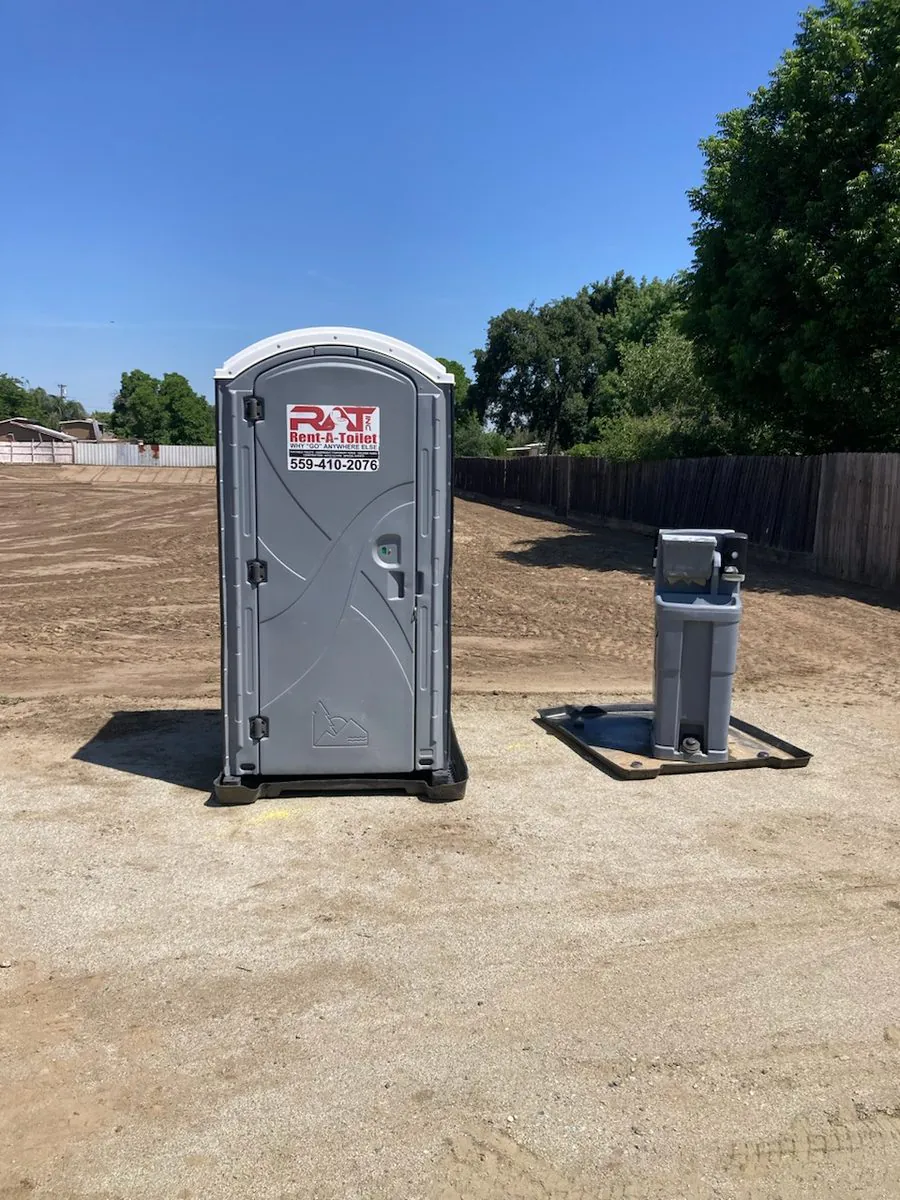
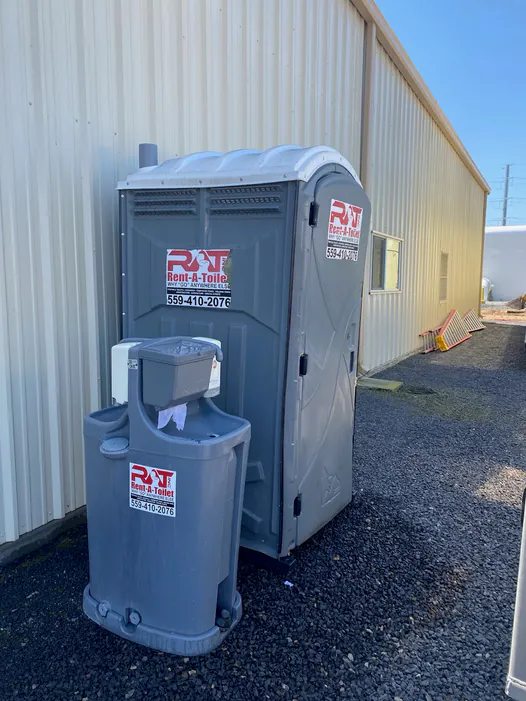
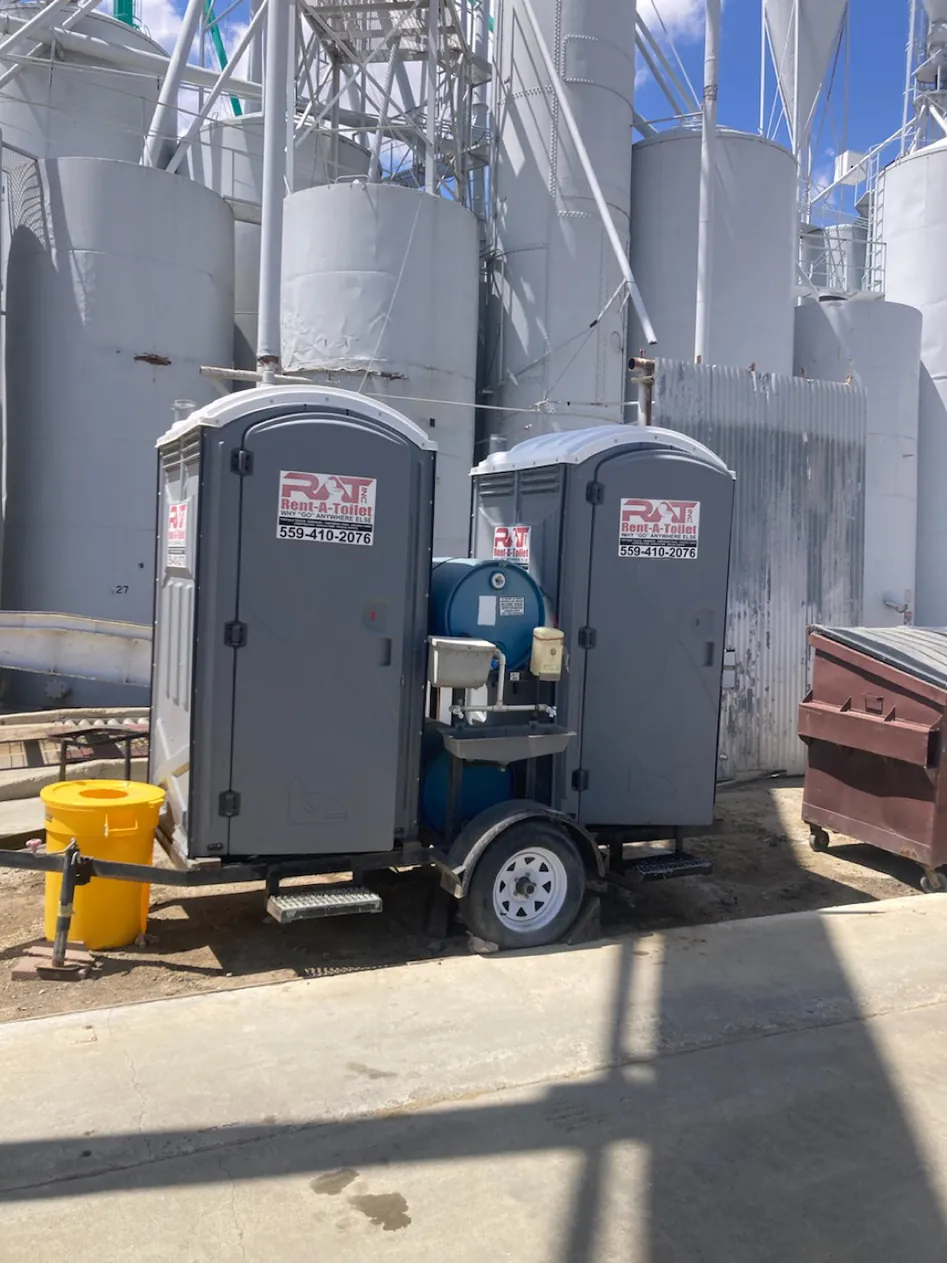
Photo Gallery
Who Rents It
That is the real test. If lunch happens on site, the sink is not optional.
Dust, dirt, no water for a mile.
Stations set with the units and refilled on the route. This is the most common pairing we send out.
A requirement, not a courtesy.
Stations placed where the health inspector expects them, near the food and near the restrooms both.
Sanitizer is not washing.
A real sink beside the row of units, restocked on the same weekly visit as the restrooms, with extra stops where the crew size calls for it.
The Fine Print, Up Front
A station books the way a unit books. Same route, same crew, same call.
Delivery, setup, initial stocking · toilet paper and hand sanitizer · scheduled servicing on long rentals, and final pickup.
Book at least a week out where you can. For big events or multi-unit orders, several weeks ahead · the calendar fills.
Event rentals are serviced around the event. Long-term rentals ride a weekly route, with extra days where headcount demands it.
Units need a flat, stable spot the truck can reach. We work the placement with you before delivery, not after.
The service interval is set off that number. Get it right and nothing runs out.
Straight Answers
Every question below is one a real person asked in public. We do not invent them.
It carries its own. The station has a fresh-water tank on board and a foot pump or a faucet that draws from it, and the used water goes into a separate tank underneath rather than onto the ground. No hookup, no hose, nothing to plumb. That is the reason it works in an orchard or on a lease road. What it does need is somebody to refill it, which is what the service visit is for, and the interval depends on how many people are using it.
We do, on the service visit, and the honest answer is that the interval has to match the crew size or it will run out no matter who is responsible. This is the most common complaint in the whole trade and it is almost always a scheduling problem rather than a supplier problem. Tell us the real headcount at the start rather than the optimistic one, and if it runs dry between visits call the yard and buy an extra stop. That is cheaper than the argument.
Nearby
The station almost never ships on its own.
Standard, flushable and ADA units off the same yards.
For the spots where a full sink will not fit.
Unit and sink on one towable frame, for crews that move.
Gets you close on the count before you call.
Stations are a standing order on construction sites and agricultural work, where they are often required rather than optional. The full rental list has the rest.